The Genre Bottleneck
Why the industry lost its variety — and why players deserve better.
I. Why Games Lost Their Variety
During the years I spent working across MusicLand, Software Etc, and a five‑screen movie theatre, I didn’t realize I was quietly studying three different entertainment ecosystems. Music, film, and books all had something games didn’t: variety. Not just in content, but in identity, tone, and genre. They had entire infrastructures built around taste — labels, imprints, studios, aisles, sections, shelves. They had systems that helped audiences find what they loved.
Games never built that.
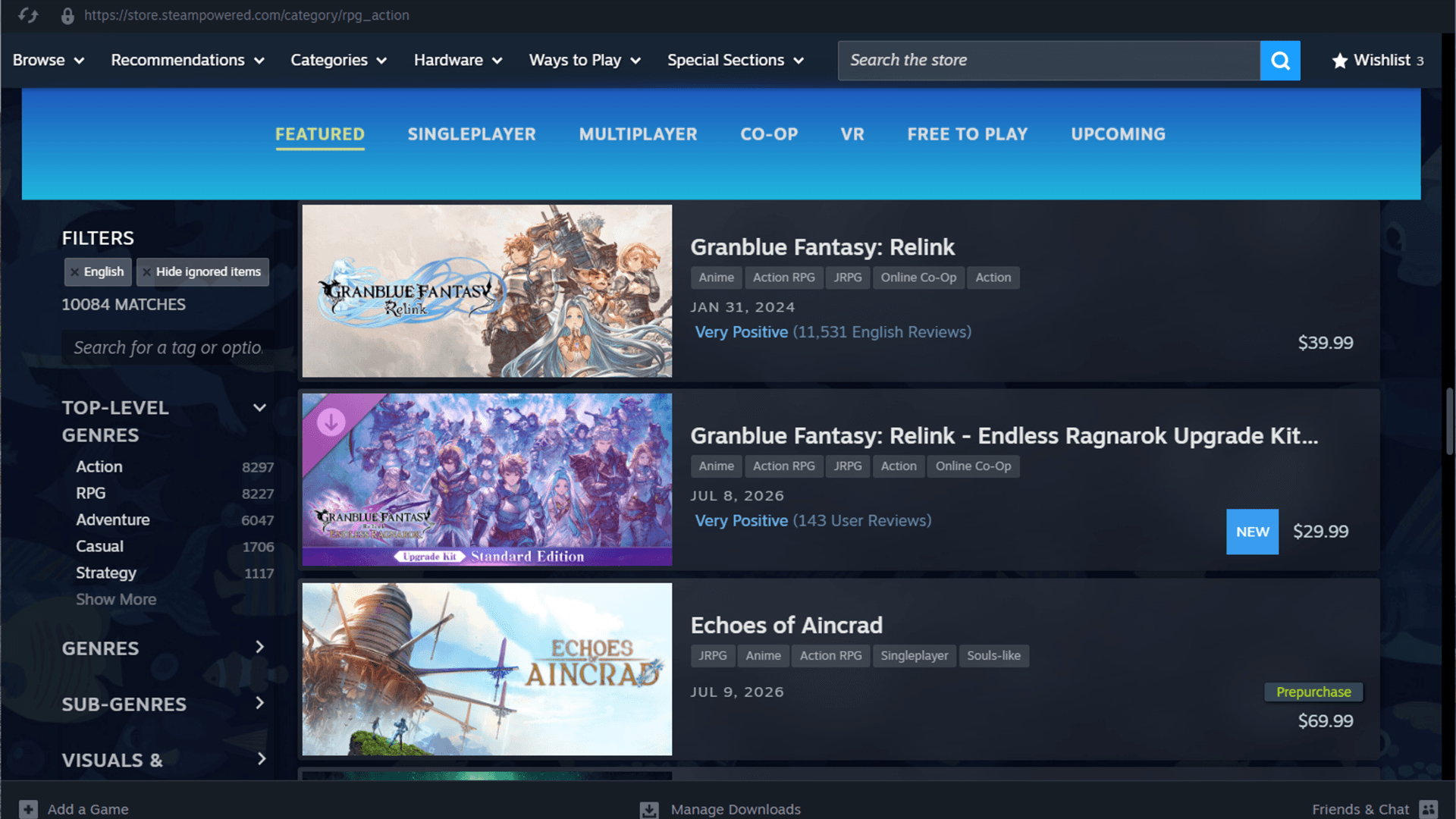
Once you see it, you can’t unsee it. The industry didn’t lose its audience — it lost its variety.
II. The Music Industry Analogy
Imagine the music business for a moment.
Universal Music Group wants to sell five albums to every listener in a world where the average listener only buys two. So UMG releases:
- five heavy metal albums because they’re reliable sellers
- five rock albums because they perform well
- five pop albums because they appeal to a broad audience
- two punk albums because they don’t sell as well
- two country albums for the same reason
- one hip‑hop album because another publisher dominates that genre
Under these conditions, how likely is UMG to sell five albums to every listener?
Not very likely.
They’re producing for their own expectations, not for the actual distribution of listener preferences.
III. The Gaming Parallel
This is exactly the situation the gaming industry finds itself in.
Publishers want players to buy five to ten games a year. Players buy two to three. And publishers release:
- five fantasy RPGs
- five sci‑fi shooters
- five open‑world action games
- two horror games
- two sports games
- one life‑sim or cozy game
Then they look at players who don’t want multiple fantasy or sci‑fi games and label them “casual.”
They’re not casual.
They’re underserved.
The industry doesn’t have a demand problem.
It has a variety problem.
IV. If Bookstores Looked Like Steam
Most narrative‑driven games — and films — are rooted in the same genre categories books use. So imagine walking into a bookstore and seeing:
- 45% fantasy
- 45% sci‑fi
- one shelf for everything else: crime, thrillers, romance, YA, military fiction, horror, historical fiction, literary fiction, drama, comedy
People would riot.
But that’s gaming.
V. The Collapse of Subgenres
Even within genres, variety is limited.
Crime fiction in books has:
- police procedurals
- noir
- hardboiled
- legal thrillers
- capers
- heists
- courtroom dramas
- political thrillers
- cozy mysteries
- historical mysteries
Crime fiction in games has one flavor:
Grand Theft Auto.
(You ever wonder why this game sells a trillion copies? It’s the only flavor the industry still bothers to make.)
If bookstores looked like Steam’s front page, people would assume the industry was collapsing.
But gaming normalized it.
VI. The Real Bottleneck
The Genre Bottleneck isn’t just about the dominance of fantasy and sci‑fi. It’s about the collapse of subgenre diversity — the belief that fantasy is universal, sci‑fi is universal, open‑world is universal, action is universal, and everything else is “niche.”
But niche isn’t small.
Niche is underserved.
The industry mislabels underserved players as casual.
It mislabels genre fatigue as market fatigue.
It mislabels repetition as safety.
It mislabels sameness as strategy.
The Genre Bottleneck is the result of publishers producing for their own expectations instead of the actual distribution of player taste.
VII. When Variety Collapses, Everything Collapses
Discovery collapses.
Community collapses.
Identity collapses.
Cultural momentum collapses.
Recurring revenue collapses.
Player loyalty collapses.
Players don’t stop playing games — they stop finding games they love.
The industry didn’t lose its audience.
It lost its variety.
Discovery isn’t broken because players changed — it’s broken because the shelves all look the same.
And that question — why the shelves look the same — eventually became one of the foundations of Xbox Forever, the platform architecture I’ve been building around discovery, identity, culture, and the worlds players already inhabit. You can find the one-pager under Projects.