An Unexploited Identity
How gaming lost the competitive identity that once defined the medium.
I. The Goldmine Gaming Forgot
I’ve been playing games long enough to remember when competition wasn’t a category — it was the entire medium. Before online play, before esports teams, before arenas and sponsorships and broadcast rights, games were competitive by default. Atari was competitive. Arcades were competitive. NES was competitive. Even single‑player games were competitive because every machine, every cabinet, every cartridge had one thing in common: a high score. A leaderboard. A public record of mastery.
In the early days of gaming, competition wasn’t a mode. It wasn’t a genre. It wasn’t a marketing term. It was the identity of the medium. Every game asked the same question: How good are you? And every player answered it publicly, in front of whoever happened to be standing behind them.
II. The Arcade Era: Competition as Culture
My earliest memories of gaming aren’t of storylines or characters — they’re of crowds. Arcades were loud, bright, chaotic, and social. They were competitive arenas long before anyone called them that.
Every cabinet was a battleground.
Every quarter was a wager.
Every run was a performance.
You didn’t just play a game — you played it in front of people. You learned the meta by watching someone better than you. You learned timing by listening to the buttons. You learned culture by standing in a circle around a machine.
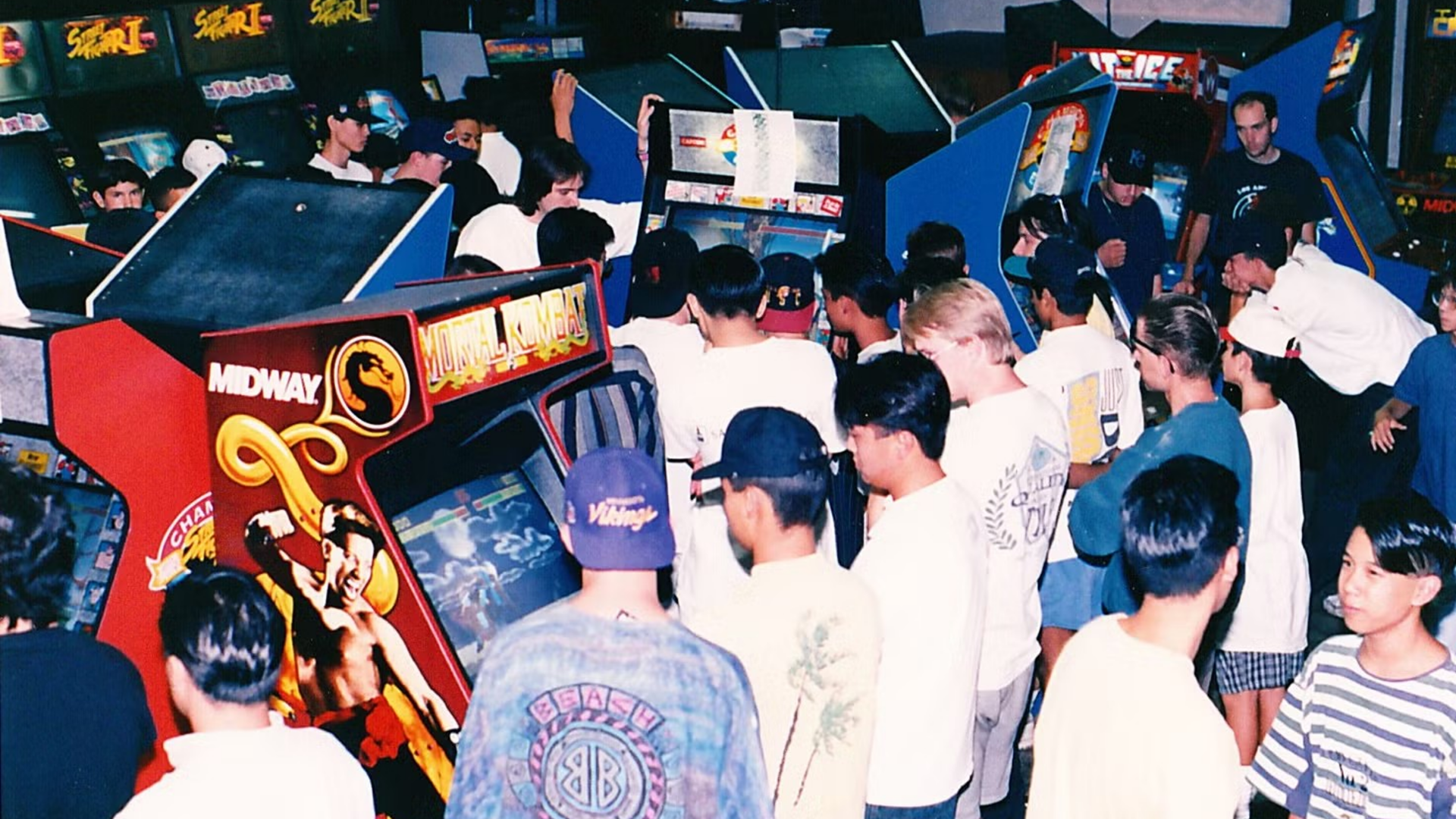
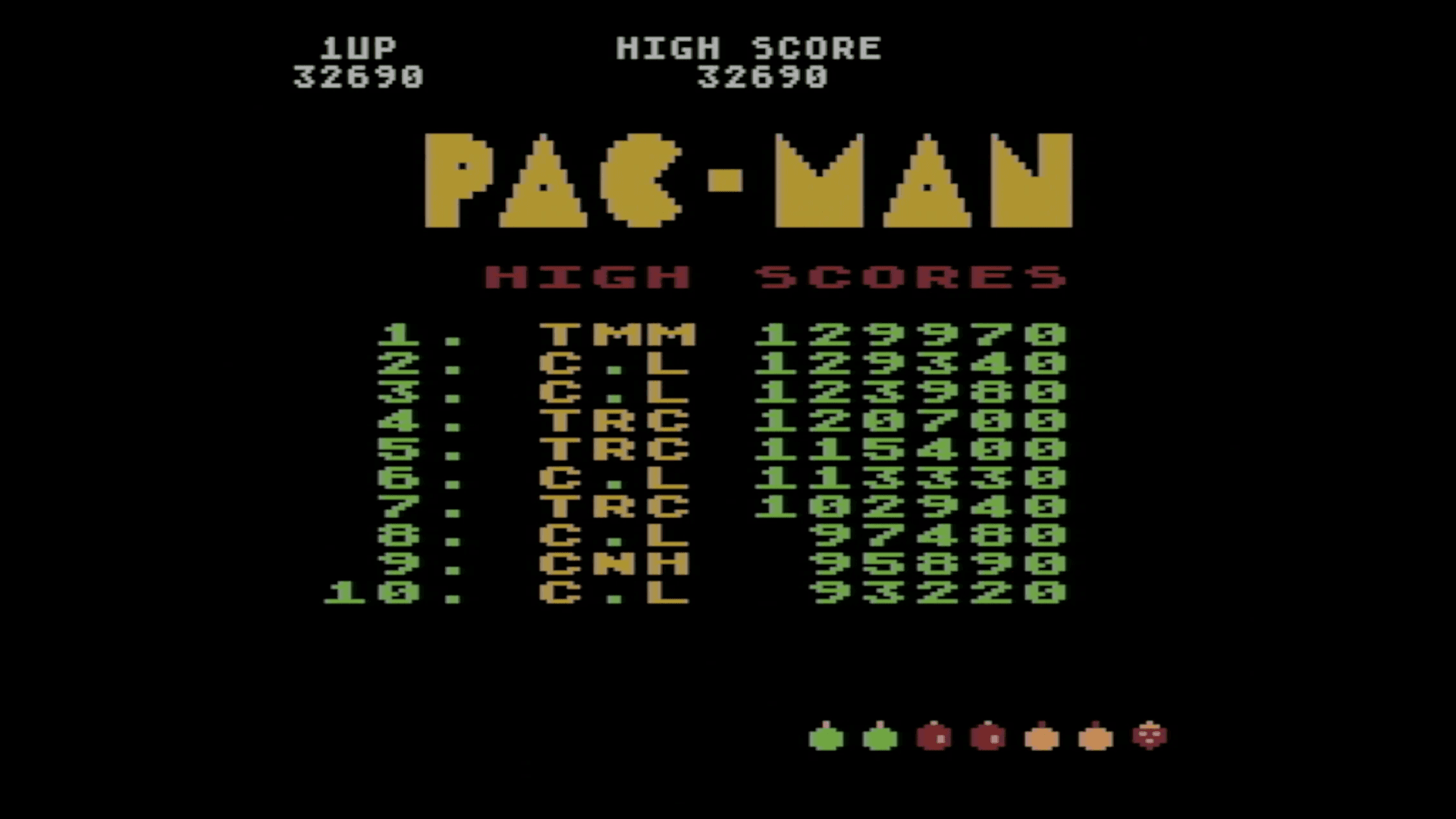
And when you finally beat a high score, you didn’t unlock a cutscene — you earned three initials. Three letters that meant everything. Three letters that told the entire arcade who you were.
Those initials were identity.
They were reputation.
They were community.
Arcades were the first esports arenas.
We just didn’t call them that yet.
III. The Living Room Arena
When gaming moved into the home, competition didn’t disappear — it just changed shape.
Atari games still had high scores.
NES games still had time trials.
SNES games still had mastery loops.
Even single‑player games were competitive because the scoreboard lived in the cartridge. I grew up in a house where competition wasn’t optional — it was the air. We went head‑to‑head in Combat, traded sticks in two‑player Donkey Kong, and battled for survival in Pac‑Man where the high score wasn’t about points, it was about who could stay on the controller the longest.
Even single‑player games became multiplayer because mastery was public, visible, and shared. Competition wasn’t a mode — it was the culture of play.
Competition wasn’t something you opted into.
It was baked into the design.
Every game was an esport.
Every living room was an arena.
IV. How Competition Became a “Genre”
Somewhere along the way, the industry reframed competition. It stopped being the foundation of gaming and became a genre — a niche, a category, a market segment.
Esports became MOBAs, tactical shooters, battle royales, fighting games.
But competition didn’t start with those genres.
It started with everything.
The industry didn’t shrink competition because players changed.
It shrank competition because it stopped giving it a home.
Leaderboards became hidden.
High scores became irrelevant.
Mastery became invisible.
Identity became fragmented.
Competition didn’t disappear — its infrastructure did.
V. Competition Is Identity
Competition has always been about more than winning. It’s about belonging. It’s about mastery, identity, and the stories players tell each other.
It’s about the run someone watched you complete.
It’s about the crowd that formed behind a cabinet.
It’s about the friend who beat your time by one second.
It’s about the sibling rivalry that lasted years.
It’s about the feeling of entering your initials and knowing they’ll be there tomorrow.
Competition creates culture.
It creates community.
It creates memory.
Arcades had culture.
Early consoles had culture.
Xbox Live had culture.
Early PC multiplayer had culture.
Modern esports have culture.
But the industry never built a system to support competition as identity — only competition as content.
VI. Everywhere and Nowhere
Today, competition is everywhere and nowhere at the same time. Games still have mastery. Players still chase skill. Communities still form around difficulty, precision, and performance.
But the infrastructure that once made competition visible — leaderboards, high scores, public mastery — has been buried under menus, modes, and matchmaking queues.
Competition didn’t stop mattering.
It stopped being seen.
Just like variety collapsed, and just like community collapsed, competition collapsed because the industry never built a home for it.
Competition isn’t broken because players changed — it’s broken because the shelves all look the same.
And that question — why competition lost its home — eventually became one of the foundations of Xbox Forever, where competition becomes part of a larger platform layer for identity, mastery, community, and persistence. You can find the one-pager under Projects.